

Navigating the complexities of international trade requires a deep understanding of logistics, but no step is more critical than customs clearance. Whether you are importing electronics, construction materials, or consumer goods into the UAE, a smooth customs clearance process dictates the speed and profitability of your supply chain. This guide covers 0 to 100 of customs clearance, ensuring your shipments are processed without unnecessary delays or fines.
What is Customs Clearance?
Customs clearance is the mandatory process of passing goods through the official customs authority of a country to facilitate the import or export of cargo. In the UAE, customs clearance involves preparing and submitting documentation, paying applicable taxes and duties, and having the goods inspected and released. Without successful customs clearance, cargo cannot legally enter or leave the country.
Process of Customs Clearance in the UAE
To master customs clearance, you must understand its sequential steps. Here is the 000 to 100100100 breakdown of the customs clearance journey:
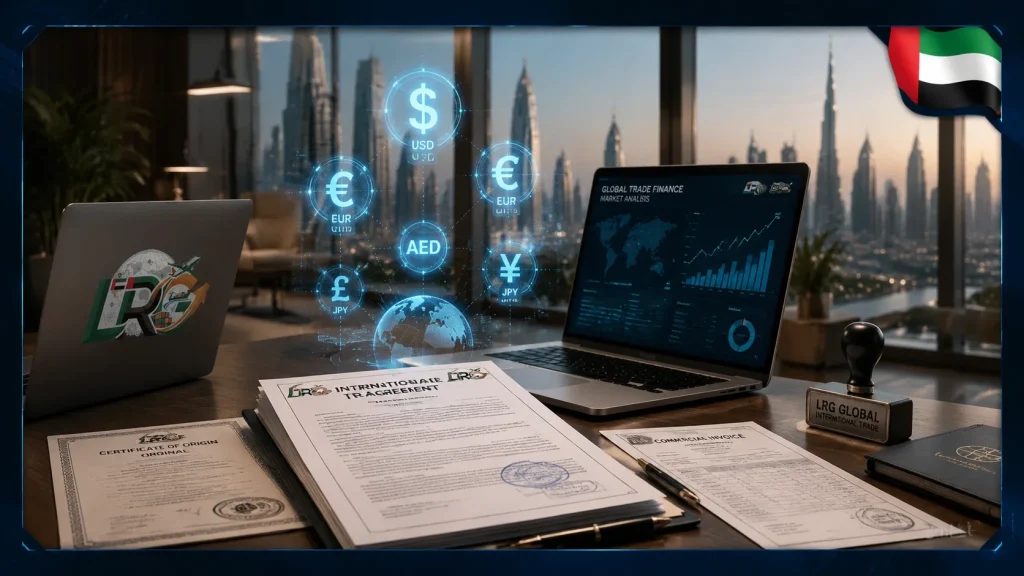
- Document Preparation: The foundation of fast customs clearance is accurate paperwork. You need a commercial invoice, packing list, bill of lading (or airway bill), certificate of origin, and a valid trade license. Errors here are the #1 cause of customs clearance delays.
- Declaration Submission: Your broker will submit the import/export declaration to the UAE Customs portal (like Dubai Trade). This step officially registers your goods for customs clearance.
- Payment of Duties: During customs clearance, the authorities will assess the value of your goods. In the UAE, a standard 5%5\%5% customs duty and 5%5\%5% VAT usually apply, unless exemptions exist. Paying these promptly accelerates customs clearance.
- Inspection: Customs officials may select your shipment for physical inspection. A transparent and well-documented cargo ensures that the inspection phase of customs clearance is swift.
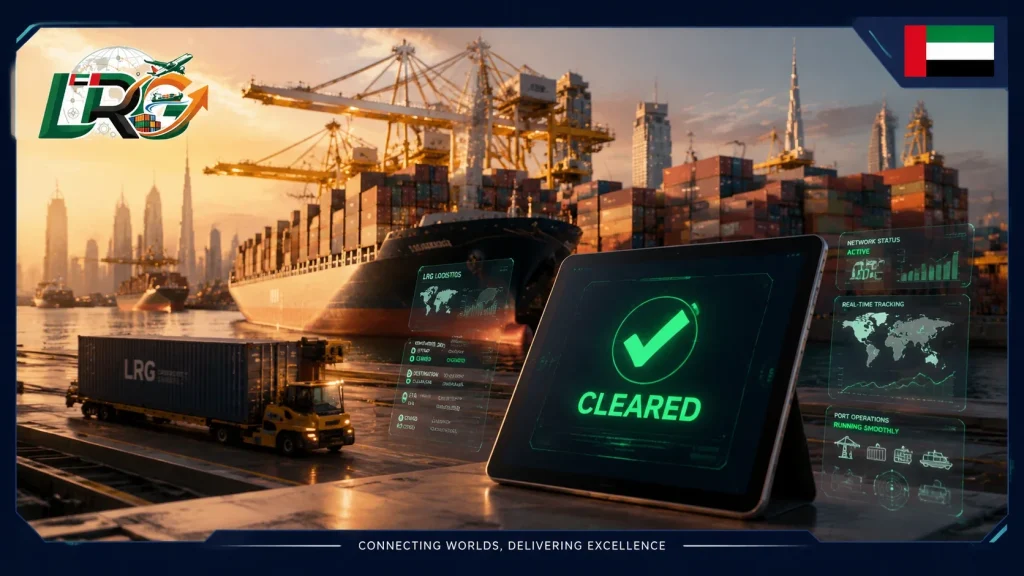
- Release and Delivery: Once duties are paid and inspections are passed, the final step of customs clearance is the release of goods. The cargo is now free to be transported to your warehouse.
Common Challenges in Customs Clearance
Many businesses face hurdles during customs clearance. Incorrect HS (Harmonized System) codes can lead to overpaying duties or failing customs clearance entirely. Missing certificates of origin or undervalued invoices will trigger audits, halting the customs clearance process and incurring port storage penalties.
Why Choose LRG Trading co. for Customs Clearance?
At LRG Trading co., based in Dubai, we handle 100%100\%100% of the customs clearance burden for you. Our expert brokers understand the exact requirements for customs clearance across all major UAE ports. We proactively audit your documents before shipment arrival, guaranteeing a frictionless customs clearance experience.
Conclusion
Understanding the 000 to 100100100 of customs clearance is vital for any business operating in the UAE. By preparing the right documents and partnering with a reliable broker, you can ensure that your customs clearance is always rapid, legally compliant, and cost-effective.